Geopolitical tensions in West Asia and potential fluctuations in crude oil prices could further influence inflation.
India's Retail Inflation in February Hits 3.21% Amid Rising Food Prices
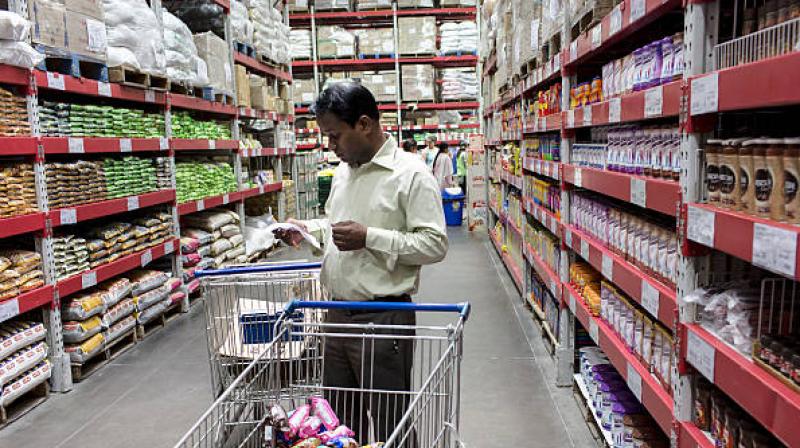
India’s retail inflation rose to 3.21 percent in February, up from 2.74 percent in January, driven primarily by rising food prices. Food inflation climbed to 3.47 percent, reflecting higher costs of items such as gold, silver, diamonds, coconut, tomatoes, and cauliflower, while some essentials like garlic, onions, potatoes, tur dal, and lychee became slightly cheaper.
Rural areas recorded a higher inflation rate of 3.37 percent compared to 3.02 percent in urban regions. Among states, Telangana saw the highest inflation at 5.02 percent, while Mizoram reported the lowest at 0.1 percent. The National Statistical Office collected price data from 1,407 urban markets and 1,465 villages across the country.
Experts say that food and beverages accounted for almost the entire increase in headline inflation, contributing 0.44 percentage points of the 0.47 percentage point rise between January and February. Geopolitical tensions in West Asia and potential fluctuations in crude oil prices could further influence inflation, with ICRA Ratings estimating that a 10 percent rise in crude oil could push retail inflation up by 0.40 to 0.60 percentage points if petrol and diesel prices fully reflect the increase.
Adjustments to the consumer price index’s base year and changes in the food basket’s weighting have also affected headline inflation’s structure. Analysts suggest that these trends may influence the Reserve Bank of India’s monetary policy decisions in its next committee meeting scheduled for April 6 to 8. Despite the rise, inflation remains within the central bank’s comfortable range.